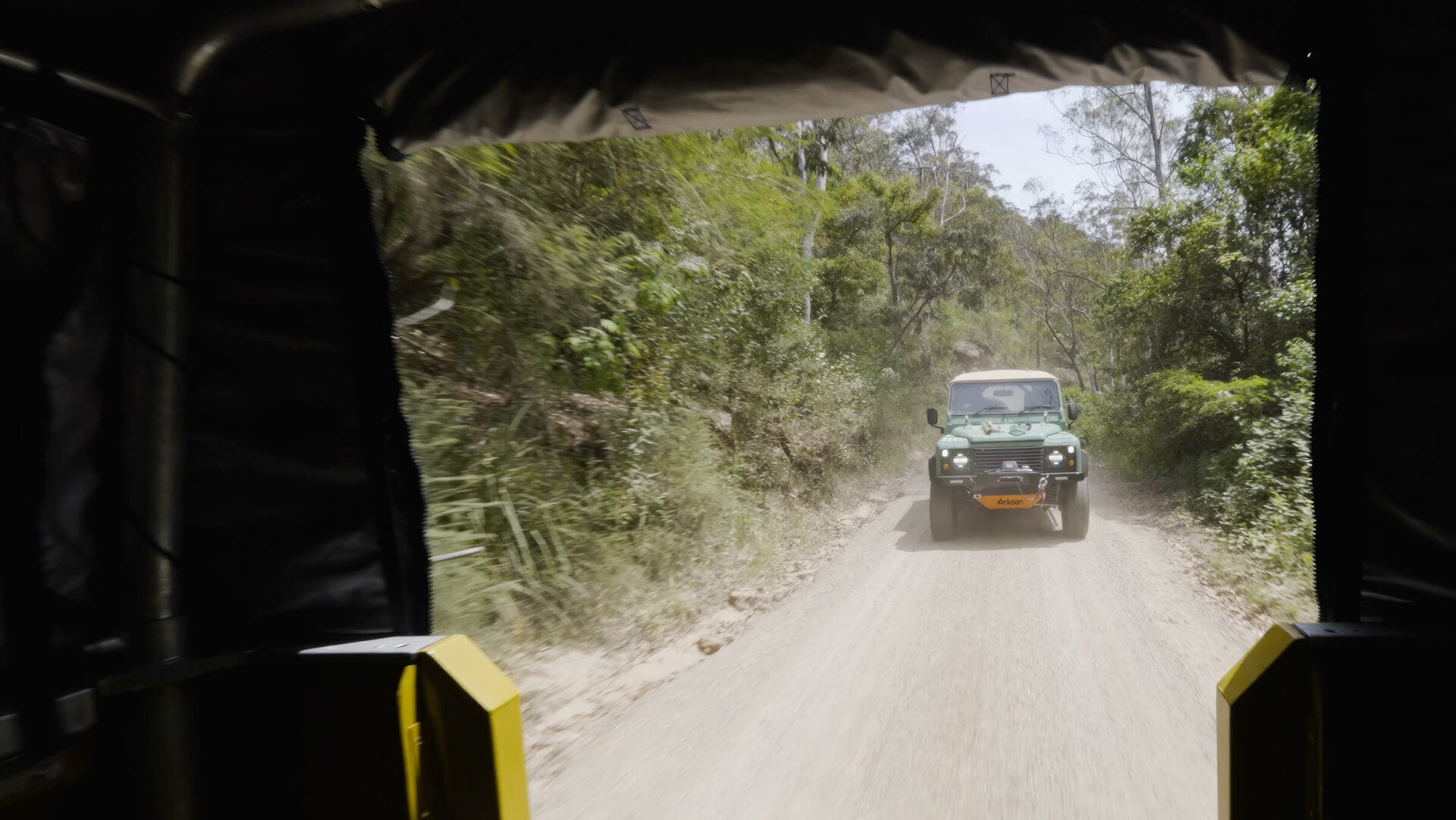
10 incredible facts about the Arksen Land Rover Perentie
The Arksen P110 Perentie is a machine built for war, re-imagined for adventure. Originally commissioned by the Australian army to provide near-unbreakable capability in the world’s harshest environments, the Perentie takes Land Rover’s already rugged D110 defender and turns it into one of the most durable and resilient off-road vehicles on the planet.
Now retired from military service, the Perentie chassis is the perfect base for Arksen’s ultimate off-road machine, with a full refurb adding premium materials, modern equipment and even greater performance. Here are 10 incredible facts about the original vehicles and the incredible machines that they become…
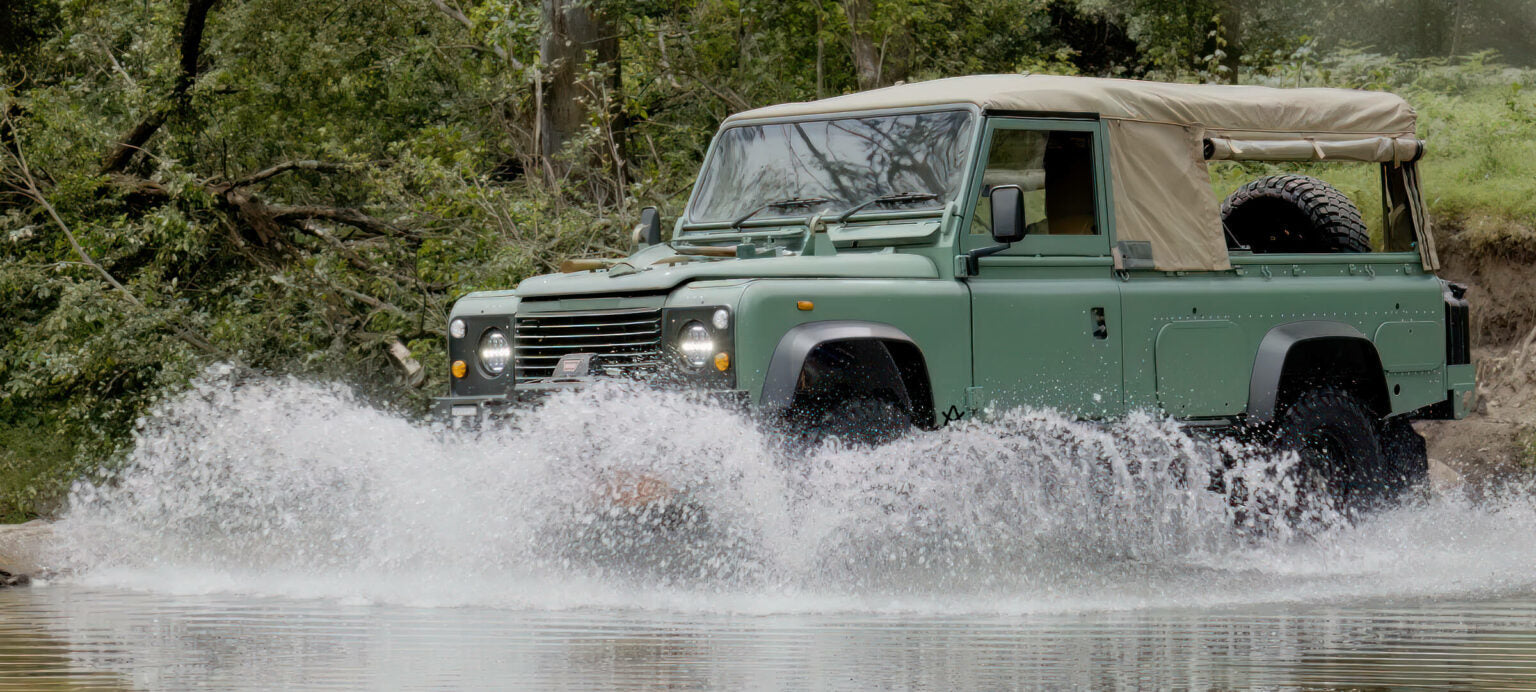
Named after a giant goanna
In the animal world, the Perentie (or Varanus giganteus) is the world’s fourth largest lizard and the biggest in Australia. The army chose to name the vehicle after this desert-roaming creature because of its strength, its speed and its capability to endure some of the harshest conditions on the planet.
Extreme environments
Perenties have served in some of the most extreme – and war-torn – regions on the planet. Having been honed in the unforgiving outback of Australia, they took part in 21 different missions – travelling to keep the peace in locations ranging from Somalia and Rwanda to East Timor, Iraq, Afghanistan and Bangladesh.
Designed to go the distance
The Perentie was built for longevity, not only in terms of lifetime but also in terms of range. The army requested a rugged machine that was as frugal on fuel as it could be – and that particularly applied to fully loaded, six-wheeled version, which could reportedly travel more than 1,600 km on the road without needing to fill up.
Heavy lifter
These days, the payload capacity of an everyday SUV is around 500kg and even the rugged new Land Rover Defender tops out at 800kg. In contrast, the 4×4 Perentie can comfortably cope with an astonishing one tonne of passengers and equipment – making it one of the heaviest duty people carriers on the road.
Helicopter hoistable
The chassis of the original Perentie was designed to be exceptionally robust, with extreme torsional rigidity, because it’s specifications stated it had to be capable of being hung from a helicopter – not just in the usual four-rope underslung format, but by a rope fitted to one single corner – without deforming.

Six-wheel off-road sensation
The four-wheeled 4x4 version of the Perentie is already one of the most extreme machines on the planet, but Land Rover went even further when they introduced the incredible six-wheeled version. Capable of carrying double the cargo, it was equipped with modular bodywork that enabled it to be used for everything from medical rescue to air defence.
Marked out for manoeuvre
There cannot be many vehicles in the world that are required to show precisely where their centre of gravity is located, but the Perentie is one of them. Look carefully at either side of the chassis and you will see the two distinctive markings, which were used help when the vehicles were being craned for loading on rapid deployment.
Rust resistance
One of the most advanced vehicle body treatments of its time, with a hot-dip galvanising process ensured that every Perentie was as rust resistant as possible. This means that even 30-year-old vehicles now often remain rust-free – especially impressive given most of them have experienced frequent exposure to salt, mud and harsh outback conditions.
Secret convoy
The original Perentie had a secret up its sleeve – or more accurately under its rear chassis. The innovative Land Rover engineers fitted a small lightbulb, hidden from view, and painted the rear plate of the diffuser white to reflect the glow – so following vehicles could follow in a night convoy, without it being viewed from above.
Timely turnaround
Re-imagining a legend to perfection takes time – but Arksen can convert a classic Perentie into a modern marvel in just eight to ten months, from sourcing the donor to fitting out the premium interior. The result is a high-performance off-road vehicle, built to modern standards and capable of travelling well beyond the end of the road.

